
When I was growing up in County Durham, I was the girl who always had her hand up.
Always had something to say. Always had an idea, a question, a feeling that needed words.
And I quickly learned that this wasn’t always welcome.
I remember being about 10, sitting in the sports hall during a school assembly. I asked a question – nothing outrageous, just curious and maybe a bit challenging – and the teacher shot me a look that made my cheeks burn.
I wasn’t in trouble exactly. But I remember the sigh. The eye-roll. The unspoken message: sit down. Be quiet. Don’t make a fuss.
And I did. For a while.
I wasn’t naughty or disruptive, but I was definitely “too much.” Too opinionated. Too bossy. Too loud. Too eager. Too emotional. Too enthusiastic.
All the things that don’t quite fit in a school environment that often rewards compliance over curiosity, quiet over confidence.
I didn’t feel like I belonged. I didn’t know how to make sense of who I was – someone who deeply cared, wanted to speak up, but also just wanted to fit in.
Looking back, I realise how much I needed a space where I could simply be myself. Where I could learn that being “too much” wasn’t a flaw, it was power.
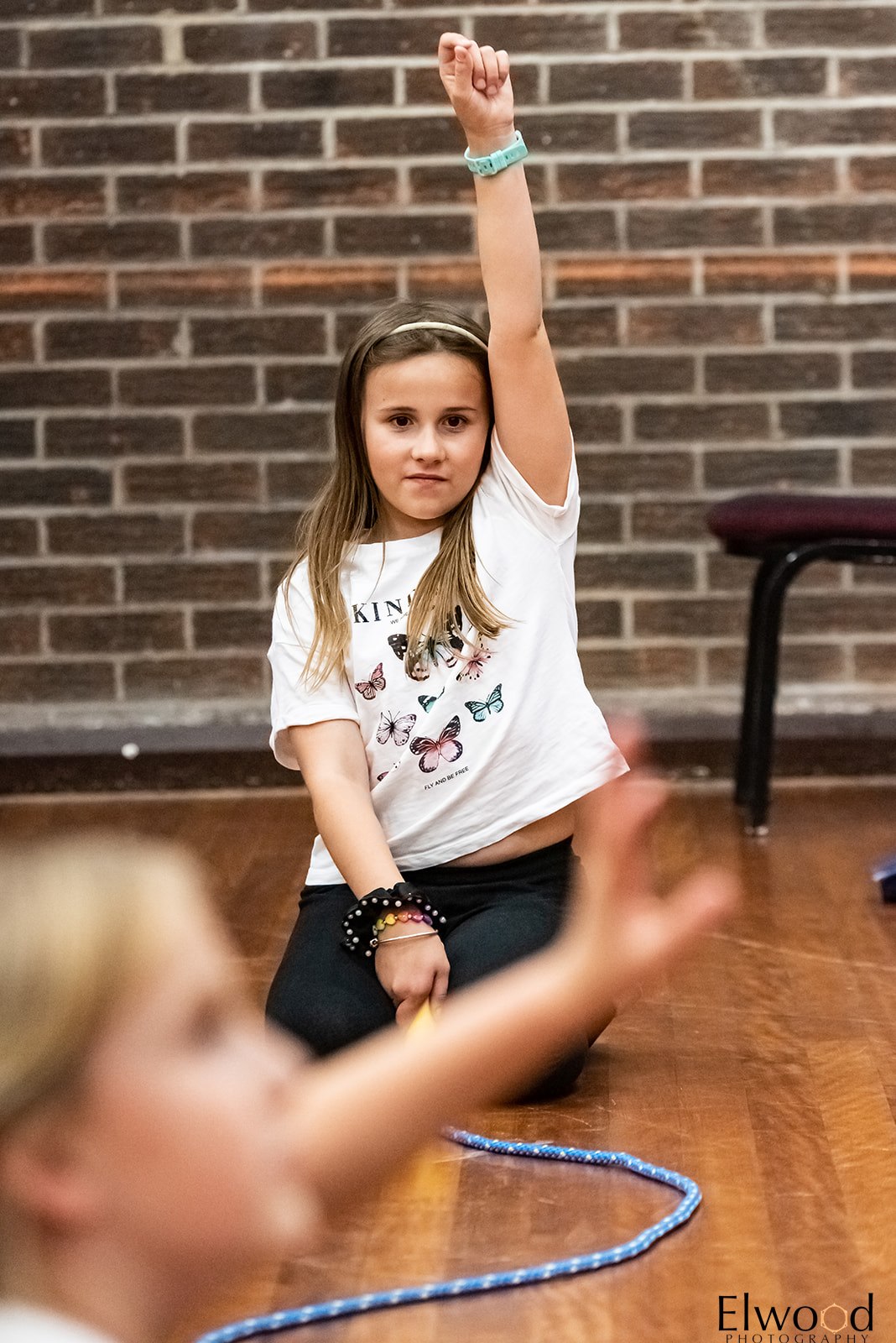
That’s what GFS creates for girls.
And it’s why, when I was invited to work with them this year as a communications consultant, I said yes instantly.
I’ve spent my career in human rights, education, and women’s leadership. But this project felt especially close to home. It brought me back to that ten-year-old girl who felt too loud, and reminded me that girls today are still being told to shrink themselves.
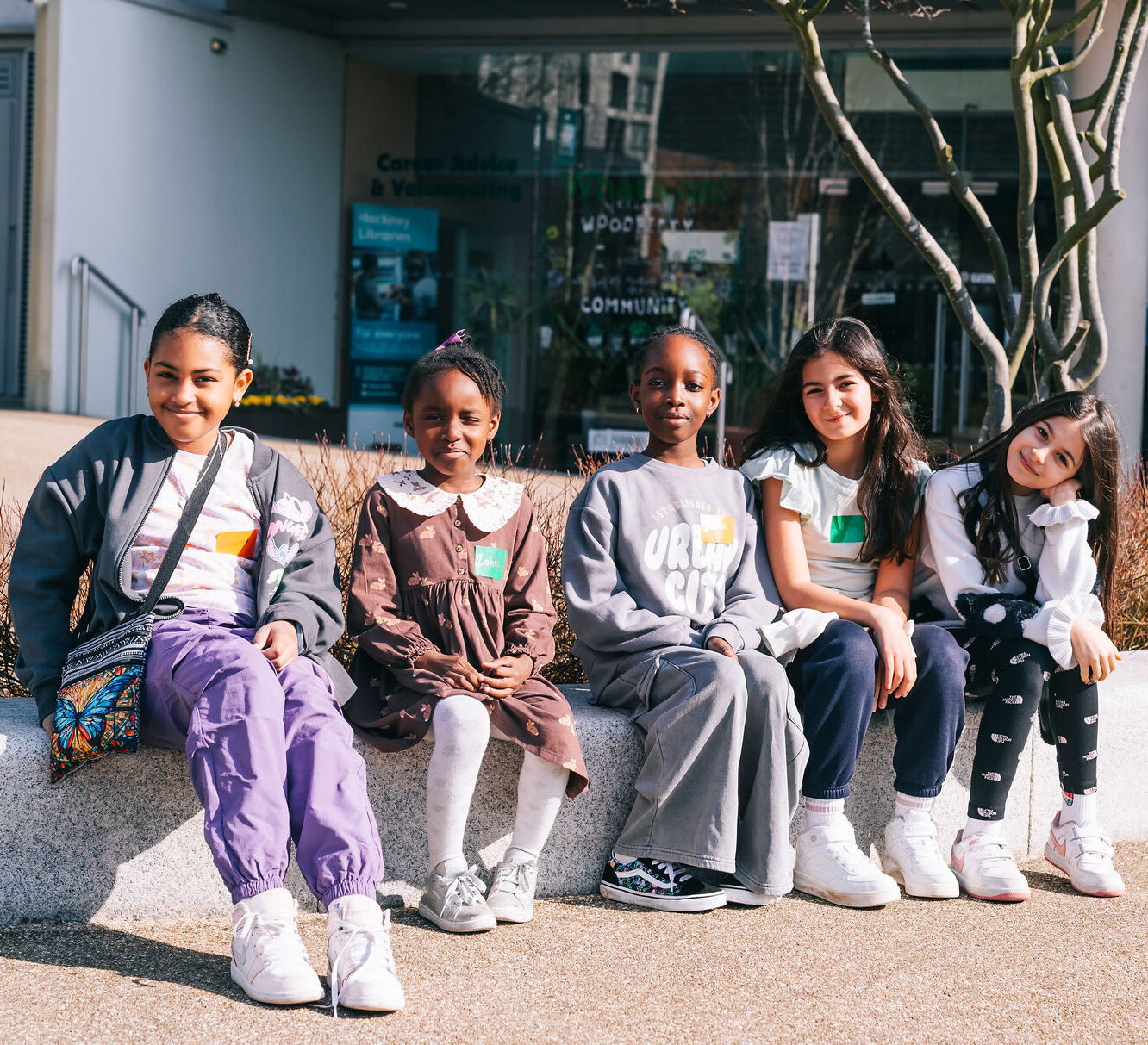
GFS runs groups for girls aged 5 to 17, offering something increasingly rare: spaces where girls can explore who they are, talk about the things that matter, and know they’ll be heard.
They talk about confidence. Friendships. Pressure. Identity. The big things and the everyday things – and everything in between.
The Girls Speak campaign is about protecting and expanding those spaces.
It’s about helping more girls grow up with the confidence to speak, to lead, to take up space, without apology.
These aren’t just
groups.
They’re acts of resistance in a world that still teaches girls to stay quiet. They’re where girls discover that their thoughts matter, their voices count, and they don’t need to be less of themselves to be accepted.
I haven’t been to a GFS group myself – I now live in Goa with my family – but every story I’ve heard from the team, every quote from the girls, has taken me straight back to my childhood in the North East. And I can’t help thinking: I wish I’d had this.
Because confidence doesn’t come from nowhere. It comes from being given a chance to try, to fail, to speak, and be heard. It comes from the safety of being seen without judgment. And it comes from knowing you don’t have to do it alone.
I’m now 41, and I’ve only recently learnt what young girls should know from childhood. That your voice matters. That you don’t need to shrink to fit in. That being “too much” just means you have something powerful to say.
This campaign is about making sure more girls get that chance.
It’s about challenging the idea that girls should be quiet, compliant, grateful. It’s about replacing that with something far more powerful: you matter, your voice matters, and we’re here to listen.
I’ve seen how transformational that message can be – not just for individual girls, but for the communities they grow up in. Because when girls speak, things change.
So let’s make sure they can.
I’m proud to be supporting the Girls Speak campaign. And I hope you will too.
Let girls speak.
Find out how you can support the campaign at girlsfriendlysociety.org.uk/let-girls-speak
Guest blog written by Sarah Swaroop, Communications Consultant & Coach